


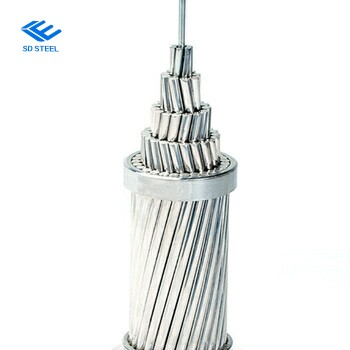
Overhead cables are a common type of power transmission line, enabling signal and data transmission during operation. They consist of single or multiple flat wires, bare conductors, or steel-cored aluminum stranded wires. Their biggest drawback is their exposure to air, making them susceptible to severe weather conditions such as wind, lightning strikes, and snow, which can cause line interruptions and pose certain safety hazards.
Overhead cables have poor airtightness, leading to frequent failures and higher maintenance costs. However, compared to underground cables, overhead cables have lower installation costs and are easier to inspect and maintain. If your power project needs to traverse large areas with complex terrain, then overhead cables are your preferred choice.
2. Buried Cables
Underground cables differ from overhead cables in that they are laid underground, reducing their susceptibility to external natural factors such as landslides and lightning strikes, thus greatly improving their practicality. Buried cables use protective insulation materials such as PVC or cross-linked polyethylene, and their internal conductors include alloys such as copper and aluminum, requiring a certain burial depth.
Compared to overhead cables, the working area during installation is smaller, but the budget cost is relatively higher. Furthermore, locating the break point in a buried cable is more difficult, increasing the workload and thus the difficulty of repair.
In summary, overhead cables are suitable for open areas and large-scale demolition projects, while buried cables are suitable for urban transportation and street areas.
Latest News
- What are the five categories of wires and cables?
- Household Wiring Guide
- What Are Solar Panels? Types, Selection, and Buying Guide
- Power Transformers: How Do They Work and What Are Their Uses?
- How to Select the Appropriate Wire and Cable Model and Cross-Section
- What constitutes a box-type substation or a box-type transformer? What are box-type substations, and what are their applications?
Send Us A Message
Send Your Inquiry
We welcome your cooperation and we will develop with you.