


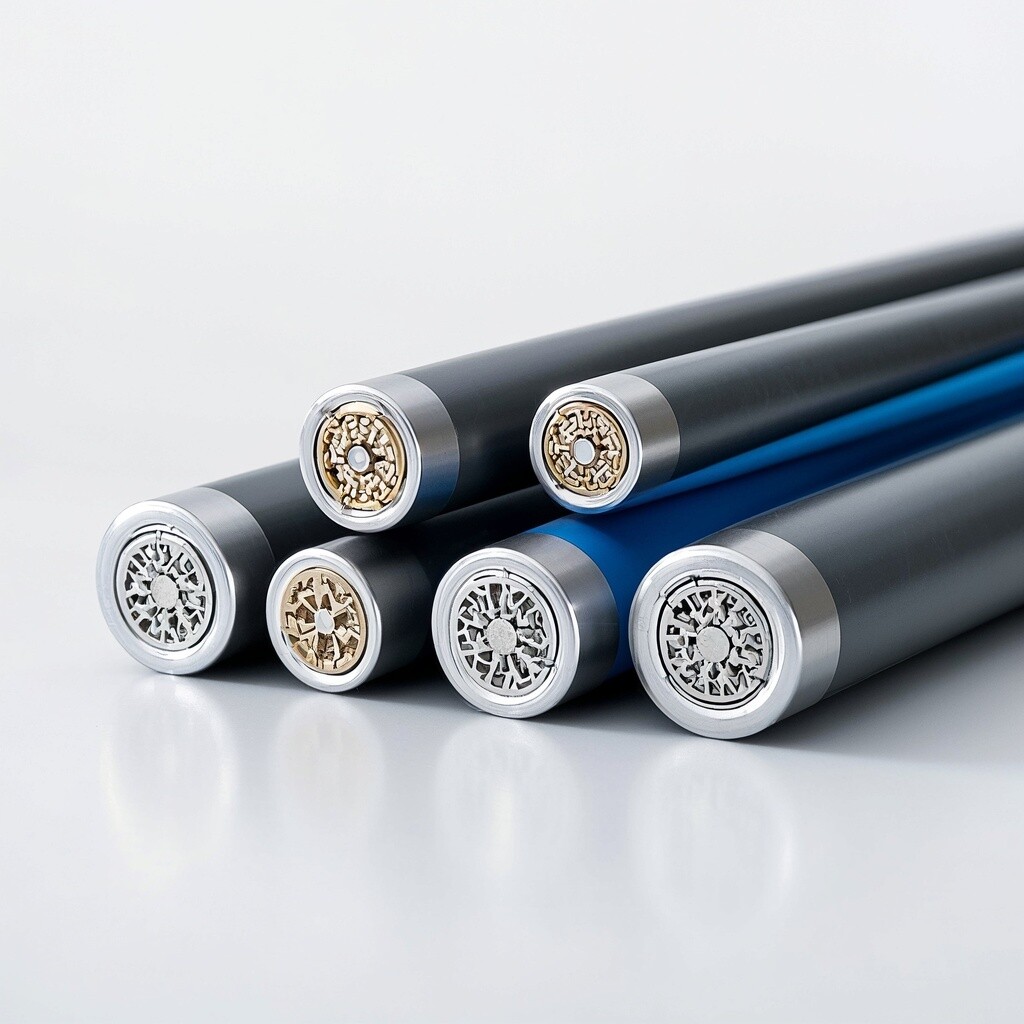
The Hidden Dangers of Substandard Industrial Cables
Industrial facilities rely on robust cabling systems to ensure uninterrupted operations. However, using substandard cables—whether power cables, control cables, or overhead cables—can lead to catastrophic failures. For instance, non-compliant materials may emit toxic smoke during fires, while inadequate insulation in high voltage cables risks short circuits. A 2022 study by the International Electrotechnical Commission (IEC) revealed that 37% of industrial accidents involving electrical systems stemmed from inferior cabling.
Key Risks of Inferior Cables
- Fire Hazards: Cables lacking flame retardant properties (e.g., non-compliant with IEC 60332) accelerate fire spread.
- Toxic Emissions: Low smoke zero halogen (LSZH) cables reduce harmful fumes, unlike PVC alternatives.
- Operational Downtime: Poorly insulated control cables cause signal interference, disrupting automation systems.
Technical Standards You Can’t Ignore
Procurement Guidelines
When sourcing cables for industrial use, prioritize suppliers with ISO 9001 certification and third-party test reports. For cable trays and photovoltaic supports, ensure load-bearing capacity aligns with project specs. A common mistake is prioritizing cost over lifecycle value—premium flame retardant cables may cost 20% more but reduce maintenance expenses by 50%.
Why Choose Certified Solutions?
- Compliance: Meet OSHA and NFPA 70E workplace safety mandates.
- Longevity: High voltage cables with XLPE insulation last 25+ years.
- Risk Mitigation: Overhead cables with UV-resistant sheathing withstand harsh environments.
Industry Case Study: Petrochemical Plant Upgrade
A Gulf Coast refinery replaced aging power cables with IEC 60502-1-compliant alternatives, eliminating unplanned outages. The project achieved ROI in 18 months through energy savings and reduced fire suppression costs.
FAQ: Addressing Common Concerns
Q: Can flame retardant cables be used outdoors?
A: Yes, but pair them with weatherproof cable trays for optimal performance.
Q: How do I verify cable quality?
A: Request mill test reports (MTRs) and insist on ASTM B8 conductivity tests for copper cores.
Future Trends: Smart Cabling Systems
The rise of IoT-enabled industrial sensors demands shielded control cables with EMI/RFI protection. Leading manufacturers now integrate real-time monitoring features into cable trays to predict insulation degradation.
Act Now: Partner with a trusted industrial cable manufacturer to audit your infrastructure. Request a free compliance checklist today.
Latest News
- What are the five categories of wires and cables?
- Household Wiring Guide
- What Are Solar Panels? Types, Selection, and Buying Guide
- Power Transformers: How Do They Work and What Are Their Uses?
- How to Select the Appropriate Wire and Cable Model and Cross-Section
- What constitutes a box-type substation or a box-type transformer? What are box-type substations, and what are their applications?
Send Us A Message
Send Your Inquiry
We welcome your cooperation and we will develop with you.