


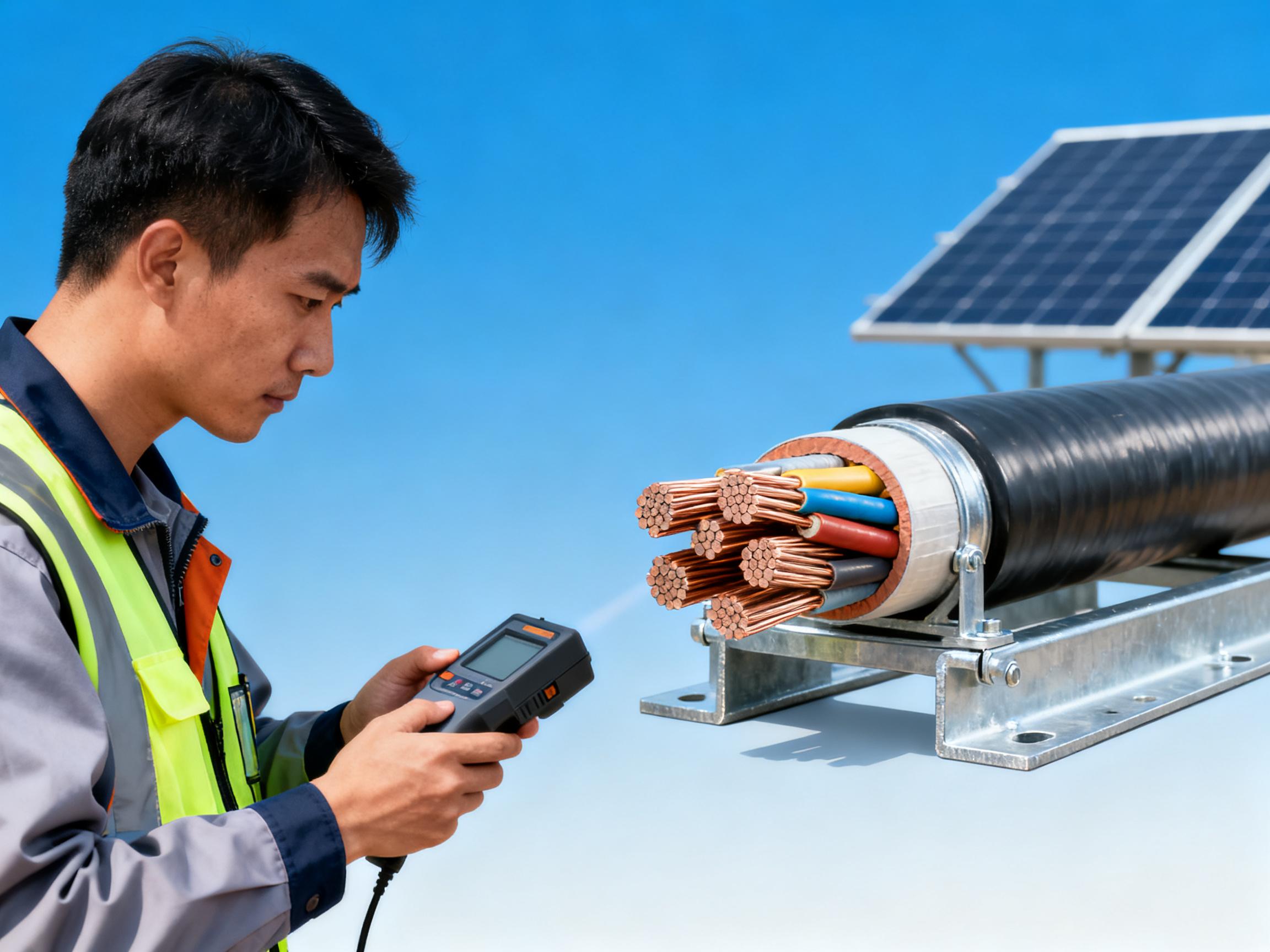
Selecting the right photovoltaic cable is critical for solar project efficiency and safety. This guide explores 5 essential factors when evaluating cable and cable tray solutions, helping technical buyers and project managers make informed decisions. From durability to specifications, we break down key considerations for photovoltaic cable selection.
1. Understanding Photovoltaic Cables: Definition & Industry Standards
Photovoltaic cables, often abbreviated as PV cables, are specialized conductors designed to withstand harsh environmental conditions while efficiently transmitting DC power from solar panels. Unlike standard electrical cables, PV cables must meet stringent international certifications such as TUV, UL 4703, and IEC 62930 to ensure UV resistance, temperature tolerance (-40°C to 90°C), and flame retardancy. The cable tray system, another critical component, provides structured support and protection against mechanical damage. When combined, these elements form the backbone of any reliable solar power installation.
2. Market Overview: The Growing Demand for Quality PV Components
The global photovoltaic cable market is projected to grow at 12.3% CAGR through 2030, driven by rising solar capacity installations and stricter safety regulations. Technical buyers should note that 23% of solar system failures originate from substandard cable or improper cable tray installations according to DNV GL's 2023 renewable energy report. In metallurgical applications where corrosive environments prevail, the demand for nickel-plated or tinned copper conductors has increased by 18% year-over-year. These industry shifts emphasize why material selection directly impacts project longevity.
3. Technical Performance Parameters You Can't Compromise
4. Procurement Guide: Matching Cable Specifications to Project Needs
For metallurgical plants with acid fume exposure, specify cross-linked polyethylene (XLPE) insulation rather than standard PVC. When evaluating cable tray systems, consider basket trays for ventilation in high-temperature zones or solid-bottom trays where EMI shielding is required. Always verify the cable's DC voltage rating (typically 1.5kV for rooftop arrays) matches your inverter's maximum input voltage. Remember that undersized cables account for 7% of energy losses in commercial-scale PV systems according to NREL studies.
5. Cost-Benefit Analysis: Total Ownership vs. Initial Investment
While cheaper aluminum-core photovoltaic cables may save 30% upfront, their 50% higher resistance leads to greater power losses over 25-year system life. Our lifecycle cost modeling shows that investing in premium copper cables with proper cable tray support yields 19% better ROI in corrosive environments. For offshore solar projects, consider stainless steel cable trays despite their 2.5x cost premium over galvanized versions due to superior saltwater resistance.
Why Partner with Our Metallurgical Solutions Team?
With 14 years specializing in harsh-environment photovoltaic cable solutions, we provide technical assessments including ampacity calculations, tray fill ratios, and corrosion compatibility matrices. Our in-house testing lab validates every batch against IEC 62930 standards, while custom cable tray designs accommodate complex routing in refineries and smelters. Request your free solar cabling audit today to optimize your project's performance and safety margins.
Send Us A Message
Send Your Inquiry
We welcome your cooperation and we will develop with you.