


Introduction
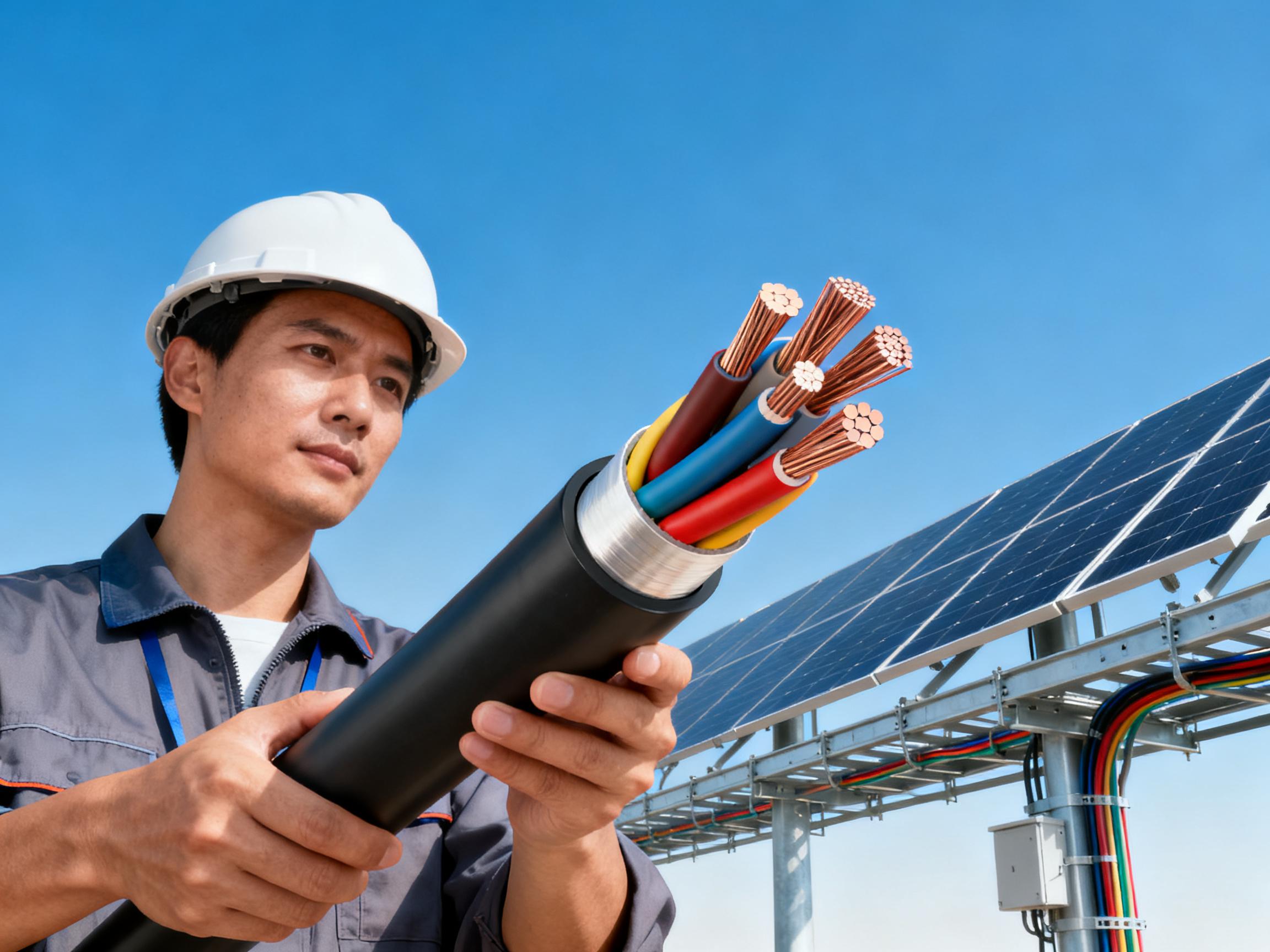
When selecting photovoltaic cables for solar installations, industry experts emphasize three critical factors: durability, efficiency, and safety compliance. High-quality photovoltaic cables must withstand extreme weather conditions while maintaining optimal conductivity in cable tray systems. This article examines the key specifications that differentiate premium photovoltaic cables, helping technical evaluators and installers make informed decisions for sustainable energy projects.
Photovoltaic (PV) cables are the lifelines of solar power systems, responsible for transmitting electrical energy from solar panels to inverters and distribution networks. Given their critical role, understanding what makes a PV cable high-quality is essential for ensuring long-term performance and minimizing maintenance costs. In the metallurgical and materials industry, the focus is on leveraging advanced materials to enhance durability and efficiency while adhering to stringent safety standards.
Key Characteristics of High-Quality Photovoltaic Cables
1. Durability and Weather Resistance
Photovoltaic cables are exposed to harsh environmental conditions, including UV radiation, extreme temperatures, and moisture. Premium PV cables are constructed using cross-linked polyethylene (XLPE) or ethylene propylene rubber (EPR) insulation, which provides superior resistance to weathering and abrasion. These materials ensure that the cable maintains its structural integrity over years of exposure to sunlight and temperature fluctuations.
In addition to material selection, high-quality PV cables often feature double-layer insulation and robust jacketing to further enhance their durability. This is particularly important in cable tray installations, where cables are exposed to mechanical stress and potential damage from environmental factors.
2. Electrical Efficiency and Conductivity
The efficiency of a photovoltaic cable is directly linked to its conductive properties. High-quality PV cables use tinned copper conductors, which offer excellent conductivity and corrosion resistance. Tinning the copper conductors prevents oxidation, ensuring consistent performance even in humid or saline environments.
Another critical factor is the cable's DC resistance, which should be minimized to reduce energy losses. Premium PV cables are designed with optimized conductor sizes and stranding techniques to achieve low resistance while maintaining flexibility for easy installation in cable tray systems.
3. Safety Compliance and Certifications
Safety is paramount in photovoltaic installations, and high-quality PV cables must comply with international standards such as IEC 62930, UL 4703, and TUV Rheinland certifications. These standards ensure that the cables are flame-retardant, resistant to thermal aging, and capable of withstanding high voltages without degradation.
For cable tray applications, additional safety features such as low smoke zero halogen (LSZH) insulation are often required. LSZH materials prevent the release of toxic gases in the event of a fire, making them ideal for use in confined or populated areas.
Material Innovations in Photovoltaic Cables
Advancements in Insulation Materials
The metallurgical and materials industry has made significant strides in developing advanced insulation materials for photovoltaic cables. Recent innovations include the use of halogen-free, flame-retardant compounds that enhance safety without compromising flexibility or durability. These materials are particularly beneficial for cable tray installations, where fire safety is a critical concern.
Recyclability and Sustainability
Sustainability is a growing focus in the PV cable industry, with manufacturers increasingly adopting recyclable materials and eco-friendly production processes. High-quality PV cables now often feature designs that facilitate easy recycling at the end of their lifecycle, aligning with global efforts to reduce electronic waste.
Selecting the Right Photovoltaic Cable for Your Project
Choosing the right PV cable involves evaluating factors such as environmental conditions, installation method (e.g., cable tray or direct burial), and compliance requirements. Below is a comparison table highlighting the key considerations:
Conclusion and Call to Action
Investing in high-quality photovoltaic cables is essential for the long-term success of solar energy projects. By prioritizing durability, efficiency, and safety compliance, technical evaluators and installers can ensure reliable performance and minimize operational risks. As the metallurgical and materials industry continues to innovate, the future of PV cables promises even greater advancements in sustainability and performance.
For expert guidance on selecting the right photovoltaic cables for your project, contact our team of industry specialists today. Explore our comprehensive range of solutions designed to meet the highest standards of quality and reliability.
Send Us A Message
Send Your Inquiry
We welcome your cooperation and we will develop with you.