


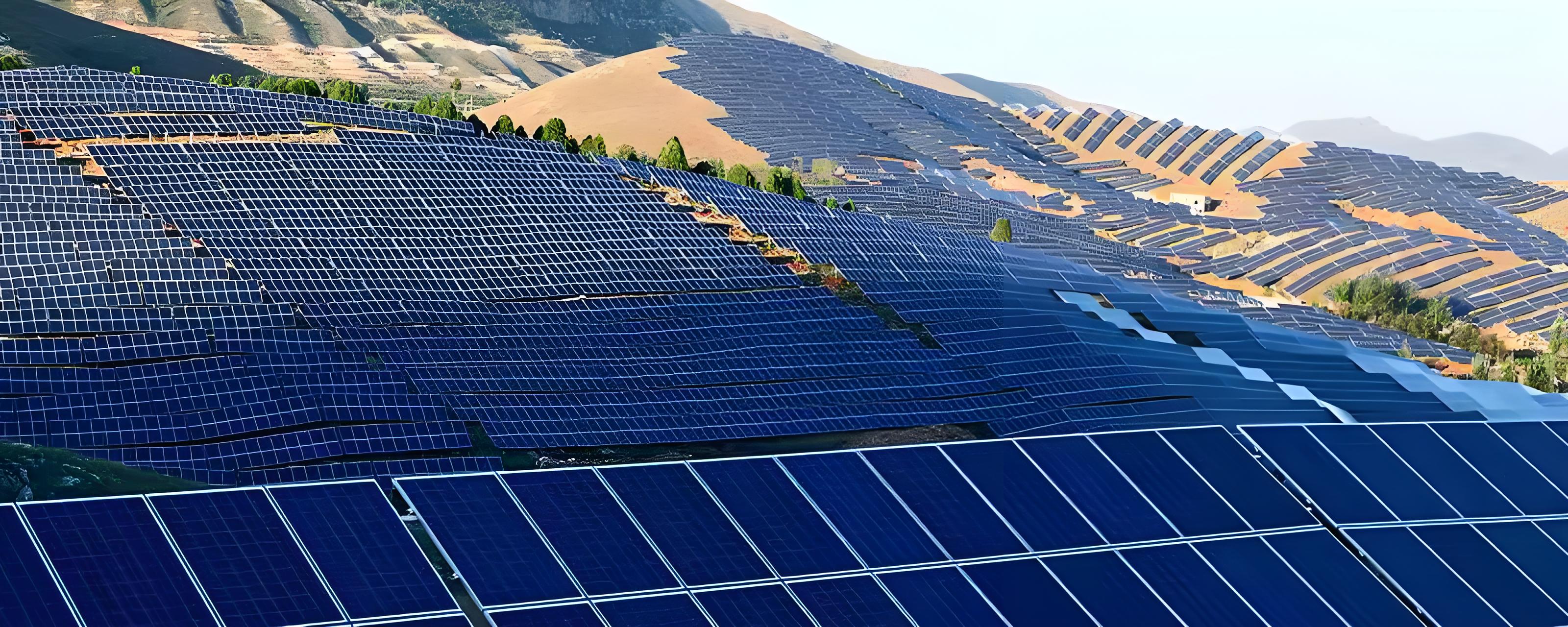
If the solar photovoltaic (PV) mounting system supports the main body of the power plant, then the mounting foundation supports everything else within the plant. The primary function of the PV mounting foundation is load-bearing capacity, including dead loads, wind loads, and snow loads. Different mounting foundations have different applicable load parameters. When selecting a mounting foundation, it is essential to ensure that its design will not result in uplift, breakage, or other damage under different load conditions. Based on this, dimensional parameters and material cost optimization should then be considered.
Reinforced concrete independent foundations
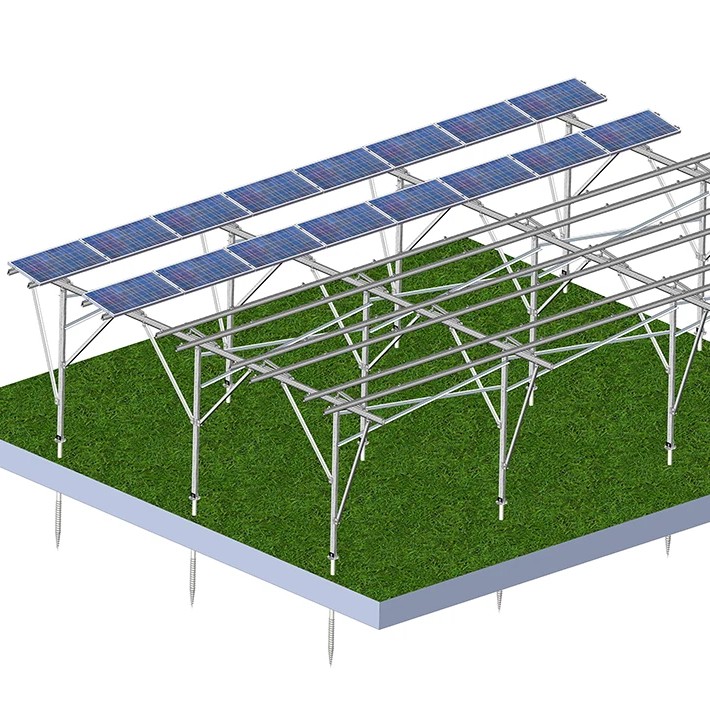
Advantages: Reliable force transmission and load-bearing performance; wide applicability; simple construction; strongest wind load capacity; flood and wind resistant.
Disadvantages: Large project scope; requires many workers; long construction period; significant environmental damage; this type of foundation has been rarely used in photovoltaic power plants in recent years.
Reinforced concrete strip foundations
Advantages: Simple construction process, no special tools required, minimal excavation.
Disadvantages: Significant environmental impact, requires extensive site leveling, and high maintenance costs.
Cast-in-place reinforced concrete foundation
Advantages: Simple construction process, fast construction speed, material saving, and low cost.
Disadvantages: Requires specific soil conditions; suitable for silty soil or silty clay with a certain degree of compaction; prone to borehole collapse in sandy soil layers, and difficult to form boreholes in gravel or pebble soil layers.
Precast reinforced concrete pile foundation
Advantages: Concrete piles are prefabricated in the factory, making construction simpler and faster.
Disadvantages: Relatively higher cost.
Helical pile foundation
Advantages: No need for excavation or site leveling, minimal environmental impact, and low labor requirements; adjustable support height as needed; material can be reused.
Disadvantages: Requires a certain degree of soil compaction, requires specialized construction tools, and is relatively expensive; corrosion resistance is lower than that of cement pile foundations.
Latest News
- What are the five categories of wires and cables?
- Household Wiring Guide
- What Are Solar Panels? Types, Selection, and Buying Guide
- Power Transformers: How Do They Work and What Are Their Uses?
- How to Select the Appropriate Wire and Cable Model and Cross-Section
- What constitutes a box-type substation or a box-type transformer? What are box-type substations, and what are their applications?
Send Us A Message
Send Your Inquiry
We welcome your cooperation and we will develop with you.