


News
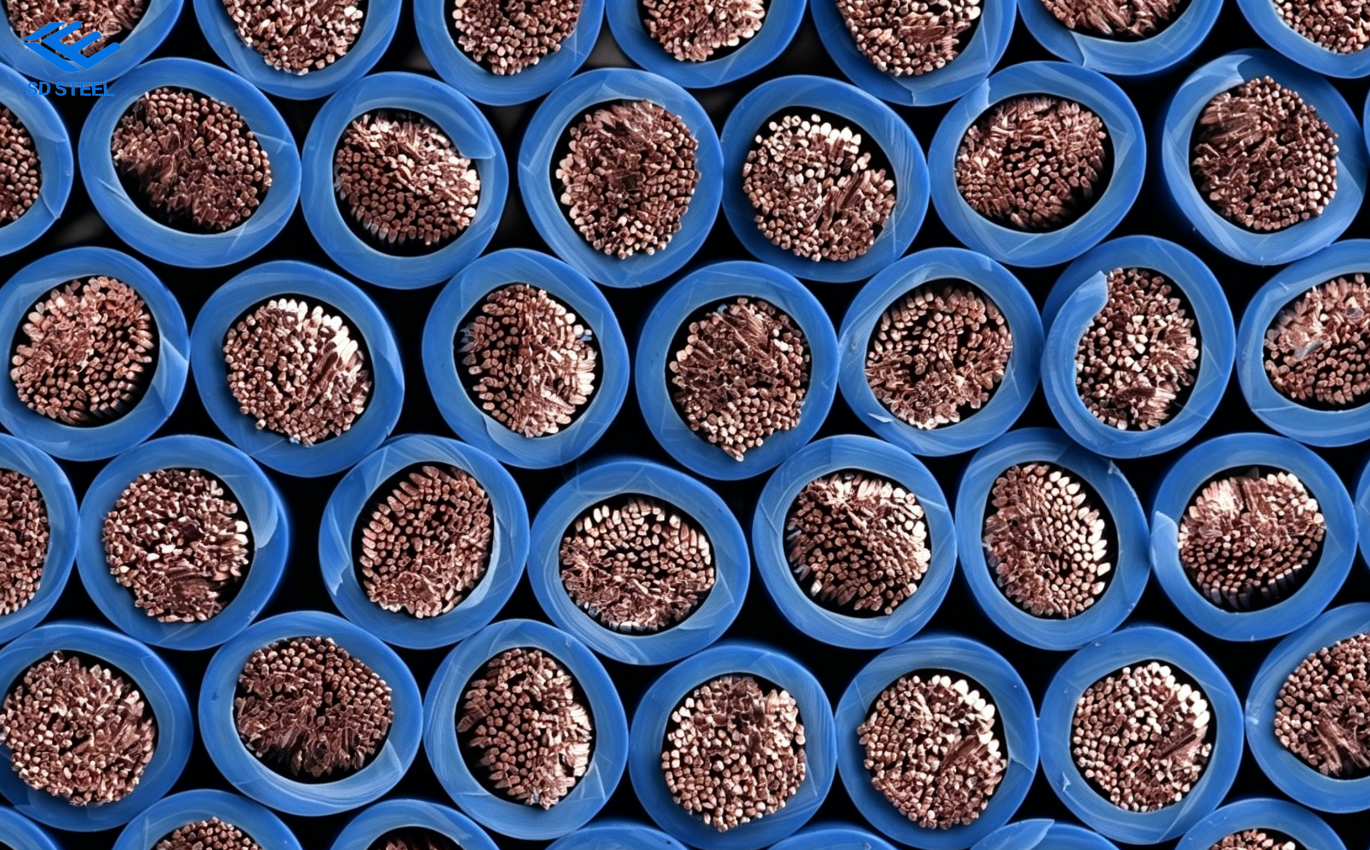
1.5 mm² Wire
Advantages:
Low Cost: Due to the minimal amount of materials required, the price is relatively low.
Suitable for Low-Current Loads: Capable of carrying a certain level of current, making it suitable for use with low-power household appliances.
Application Scenarios:
Suitable for lighting fixtures, such as ceiling lights, wall lamps, table lamps, etc.
Suitable for low-power household appliances, such as chargers, night lights, etc.
2.5 mm² Wire
Advantages:
Meets the needs of most household appliances: Suitable for common household appliances such as televisions, refrigerators, washing machines, and more.
High level of safety: Compared to 1.5 mm² wiring, it features lower electrical resistance and generates less heat, resulting in enhanced safety.
Disadvantages:
Relatively Weak Transmission Capacity: While sufficient for the needs of most household appliances, certain high-power devices may require thicker wiring to ensure safety.
Application Scenarios:
Suitable for general household appliances, such as televisions, refrigerators, washing machines, microwave ovens, etc.
Suitable for power cords connected to power outlets, providing electrical power to a wide range of household appliances.
4 mm² Wire
Advantages:
High Transmission Capacity: Suitable for appliances with high current loads, such as air conditioners, water heaters, and similar devices.
High Safety: Features low electrical resistance and generates minimal heat, ensuring the safe and proper operation of high-power appliances.
Disadvantages:
Higher Installation Costs: Due to the larger wire diameter, greater material quantities and more rigorous construction standards are required, resulting in relatively higher installation costs.
Greater Space Requirements: Wiring requires more space to accommodate the thicker cables.
Application Scenarios:
Suitable for high-power household appliances, such as wall-mounted air conditioners, water heaters, electric ovens, etc.
Suitable for kitchen appliances—such as rice cookers and induction cooktops—as these devices typically draw high power and are used frequently.
Wires of 6 mm² and Larger
Advantages:
Enhanced Transmission Capacity: Suitable for appliances with higher current loads, such as central air conditioning systems and underfloor heating.
Greater Safety: Features lower electrical resistance and generates less heat; capable of safely meeting the high-power demands of appliances—even under exceptional circumstances—while ensuring a higher level of safety.
Disadvantages:
Higher Installation Costs: Both material and labor costs associated with installation are relatively high.
Increased Installation Complexity: Requires professional electricians for installation and may necessitate the replacement of wall outlets, fuses, and other components.
Application Scenarios:
Suitable for high-power equipment such as central air conditioning systems and underfloor heating.
Suitable for industrial or commercial electrical environments, such as those involving large-scale machinery or commercial kitchens.
10 mm² Electrical Wire
Advantages:
Exceptional Transmission Capacity: Suitable for appliances with extremely high current loads, such as large-scale industrial equipment or specialized household appliances.
Superior Safety: Features extremely low electrical resistance and generates minimal heat; consequently, it poses virtually no risk of safety hazards—such as fire—stemming from issues with the wiring itself.
Disadvantages:
Prohibitive Cost: Due to the exceptionally large wire gauge, both the material costs and the installation expenses are very high.
Extreme Installation Difficulty: Requires installation by professional electricians and may necessitate the use of specialized tools and techniques.
Significant Space Requirement: Wiring requires a substantial amount of space for accommodation, placing higher demands on the layout and infrastructure of the home environment.
Application Scenarios:
Suitable for large-scale industrial equipment, such as generators, transformers, and similar machinery.
Suitable for specialized household appliances—such as large aquariums or high-end audio systems—which typically consume immense power and require a stable, reliable electricity supply.
In summary, selecting the appropriate wire gauge requires a comprehensive assessment of various factors, including household electricity demands, safety requirements, cost considerations, and installation complexity. For typical households, 2.5 mm² and 4 mm² wires are generally sufficient to meet most electrical needs. However, if you need to connect high-power appliances or specialized equipment, you may wish to consider using a thicker wire gauge. It is important to note, however, that while using excessively thick wires offers enhanced safety, it also entails higher costs and increased installation difficulty.
Latest News
- What are the five categories of wires and cables?
- Household Wiring Guide
- What Are Solar Panels? Types, Selection, and Buying Guide
- Power Transformers: How Do They Work and What Are Their Uses?
- How to Select the Appropriate Wire and Cable Model and Cross-Section
- What constitutes a box-type substation or a box-type transformer? What are box-type substations, and what are their applications?
Send Us A Message
Send Your Inquiry
We welcome your cooperation and we will develop with you.