


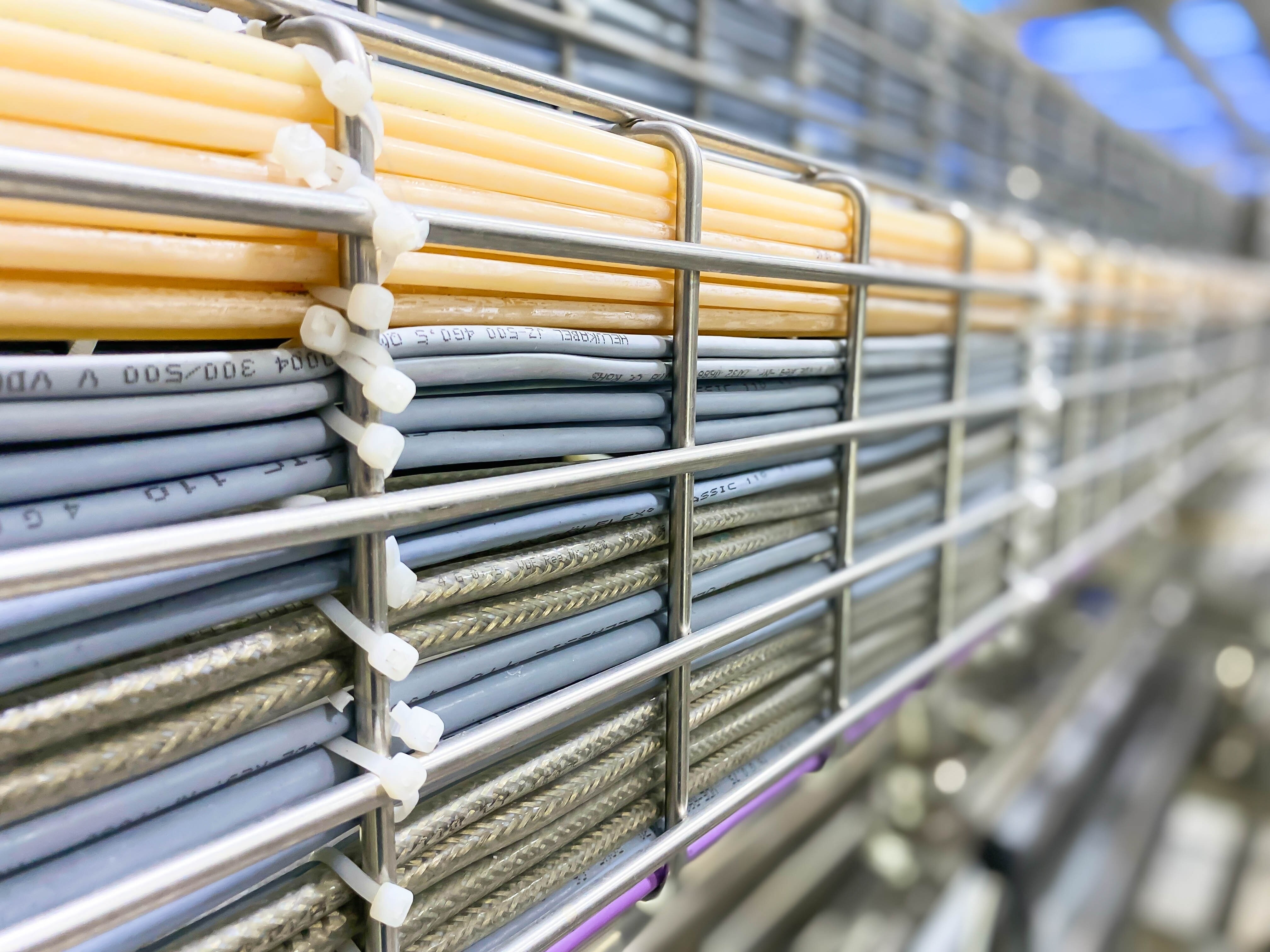
Introduction to Industrial Cable Selection
Industrial cables are the backbone of modern infrastructure, ensuring reliable power and data transmission across various sectors. Choosing the right cable involves understanding specific requirements such as environmental conditions, safety standards, and operational demands. This guide will walk you through the essential factors to consider when selecting cables for industrial use in 2024.
Types of Industrial Cables
Industrial applications demand different types of cables, each designed for specific purposes. Here are the most common types:
- Low Smoke Zero Halogen (LSZH) Cables: Ideal for confined spaces where smoke and toxic fumes pose a risk.
- Flame Retardant Cables: Designed to resist fire and prevent flame spread, crucial for high-risk environments.
- High Voltage Cables: Used in power transmission over long distances, requiring robust insulation and durability.
- Control Cables: Essential for automation and control systems, ensuring precise signal transmission.
- Power Cables: The standard for distributing electrical power in industrial settings.
Key Considerations for Cable Selection
Selecting the right cable involves evaluating several factors:
- Environmental Conditions: Consider temperature extremes, moisture, and chemical exposure.
- Safety Standards: Ensure compliance with international standards like IEC, UL, and ASTM.
- Operational Demands: Assess voltage requirements, current capacity, and mechanical stress.
- Cost vs. Performance: Balance budget constraints with long-term reliability and efficiency.
Industry Applications
Different industries have unique cable requirements:
Standards and Certifications
Compliance with international standards ensures safety and reliability. Key certifications include:
- IEC 60502 for power cables
- UL 44 for flame retardant cables
- ASTM B8 for conductor standards
Common Mistakes to Avoid
Many businesses make errors in cable selection, such as:
- Ignoring environmental factors
- Overlooking safety certifications
- Choosing based solely on price
Future Trends in Industrial Cables
The industry is evolving with trends like:
- Increased use of LSZH cables for safety
- Smart cables with embedded sensors
- Eco-friendly materials gaining traction
Why Choose Us?
As a leading manufacturer of industrial cables, we offer:
- Comprehensive product range
- Strict adherence to international standards
- Custom solutions for unique needs
Contact us today to discuss your requirements and find the perfect cable solution for your industrial needs.
Latest News
- What are the five categories of wires and cables?
- Household Wiring Guide
- What Are Solar Panels? Types, Selection, and Buying Guide
- Power Transformers: How Do They Work and What Are Their Uses?
- How to Select the Appropriate Wire and Cable Model and Cross-Section
- What constitutes a box-type substation or a box-type transformer? What are box-type substations, and what are their applications?
Send Us A Message
Send Your Inquiry
We welcome your cooperation and we will develop with you.