


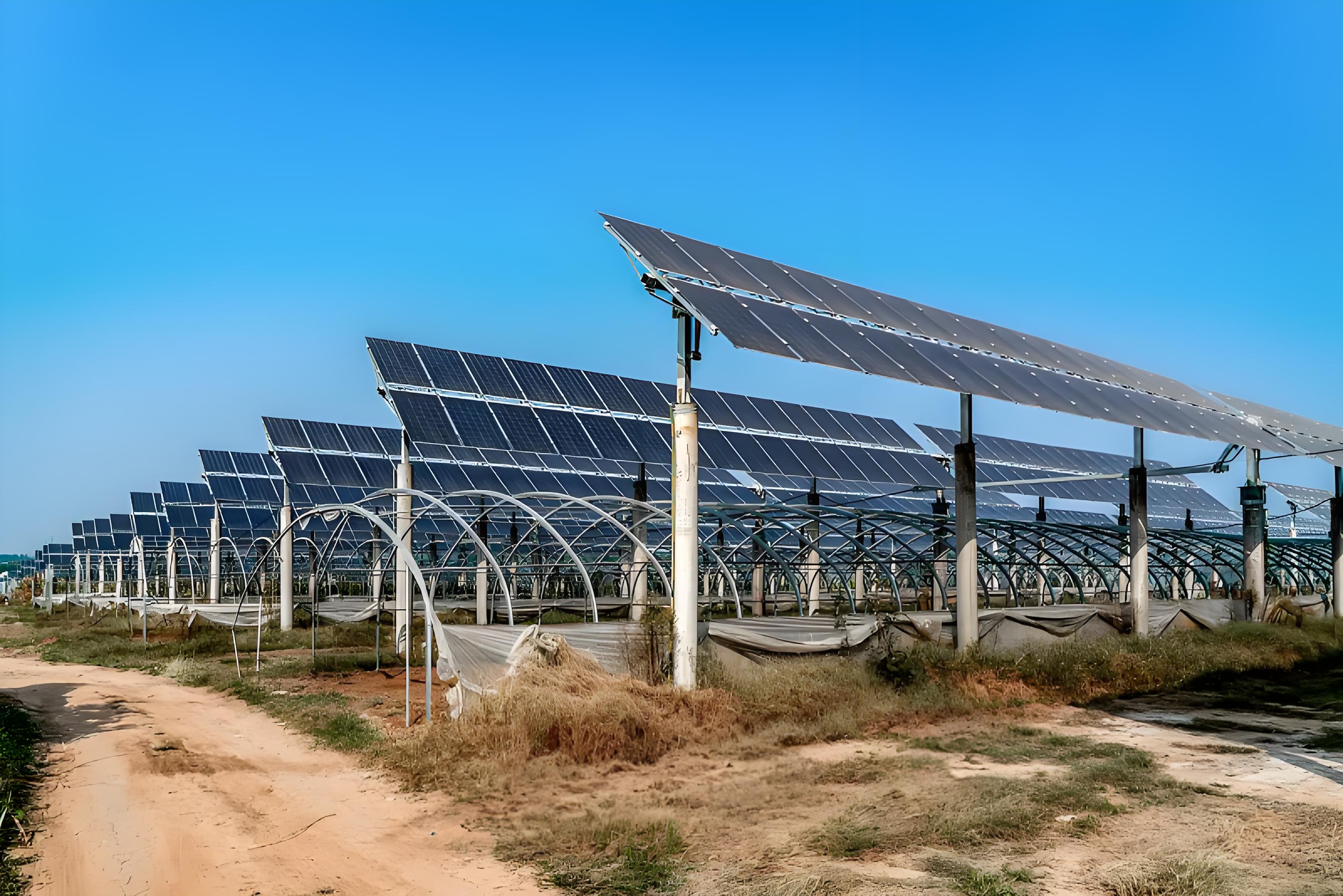
The Ultimate Guide to Cable & Tray Selection
Choosing the right cable and tray solutions is critical for efficient power distribution in industrial and renewable energy projects. As a comprehensive manufacturer specializing in cables, cable trays, and photovoltaic mounting systems, we understand the technical and commercial challenges professionals face. This ultimate guide provides expert insights to help information researchers, technical evaluators, and procurement specialists make informed decisions about cable management and solar support structures.
1. Understanding Cable Types and Their Applications
Selecting appropriate cables requires understanding their construction, materials, and performance characteristics. Power cables for industrial applications typically consist of copper or aluminum conductors with XLPE or PVC insulation, designed to withstand specific voltage ratings and environmental conditions. For photovoltaic systems, solar cables with UV-resistant and weatherproof properties are essential to ensure long-term reliability in outdoor installations. Control cables, often used in automation systems, feature multiple conductors with shielding to prevent electromagnetic interference. When evaluating cable options, consider factors such as current-carrying capacity, temperature rating, flexibility, and compliance with international standards like IEC 60502 or UL 44. The right cable selection directly impacts system efficiency, safety, and maintenance costs over the project lifecycle.
2. Cable Tray Systems: Design Considerations and Material Options
Cable tray systems provide organized and secure routing for power and data cables in commercial and industrial facilities. The three primary tray types – ladder, perforated, and solid-bottom – each offer distinct advantages for different applications. Ladder trays excel in high-heat environments with excellent ventilation, while solid-bottom trays provide maximum cable protection in areas with potential mechanical damage. Material selection between galvanized steel, aluminum, or fiber-reinforced plastic depends on factors like corrosion resistance, weight limitations, and budget constraints. Proper tray sizing requires calculating fill ratios according to NEC or IEC standards, considering future expansion needs. For photovoltaic installations, specialized solar cable trays with integrated mounting features simplify installation while maintaining proper cable spacing to prevent overheating. Technical evaluators should also assess tray systems' load-bearing capacity, seismic performance, and fire resistance ratings when specifying products for critical infrastructure projects.
3. Technical Comparison: Traditional vs. Photovoltaic-Specific Solutions
This comparison highlights why photovoltaic-specific solutions deliver superior performance in solar installations. The specialized design addresses unique challenges like prolonged UV exposure, DC current requirements, and outdoor environmental factors that standard trays aren't engineered to handle. Technical evaluators should note these differences when specifying components for renewable energy projects to ensure long-term system reliability and compliance with solar industry standards.
4. Procurement Guide: Balancing Technical Requirements and Budget
Procurement specialists face the challenge of sourcing cable and tray systems that meet technical specifications while staying within project budgets. Begin by developing comprehensive technical requirements documents that specify material grades, performance standards, and certification requirements. For large projects, consider phased procurement strategies that allow for bulk purchasing discounts while maintaining quality control. Evaluate suppliers based on their manufacturing capabilities, testing facilities, and project references – particularly for specialized applications like offshore wind farms or chemical plants. Request samples for material verification and inspect production facilities when possible. For photovoltaic mounting systems, verify the supplier's experience with local building codes and seismic requirements. Always compare total cost of ownership rather than just initial purchase price, factoring in installation efficiency, maintenance needs, and product lifespan. Establishing long-term partnerships with reliable manufacturers can provide consistent quality and better pricing over multiple projects.
5. Common Selection Mistakes and How to Avoid Them
Even experienced professionals can make costly errors when selecting cable and tray solutions. One frequent mistake is underestimating future expansion needs, resulting in undersized cable trays that require expensive retrofitting. Another is specifying standard industrial cables for photovoltaic applications without considering the unique UV and temperature cycling demands of solar installations. Some projects compromise on material quality to reduce upfront costs, only to face premature corrosion or failure in harsh environments. To avoid these pitfalls, conduct thorough site assessments, consult with manufacturers early in the design process, and review similar completed projects for lessons learned. For photovoltaic mounting systems, ensure the structural design accounts for wind loads, snow accumulation, and other site-specific factors. Always verify that products carry relevant certifications like UL, TUV, or CE markings appropriate for your region and application.
6. Industry Trends: Smart Solutions and Sustainable Materials
The cable management industry is evolving with technological advancements and sustainability initiatives. Smart cable trays with integrated sensors now monitor temperature, load, and cable conditions in real-time, enabling predictive maintenance for critical infrastructure. Manufacturers are developing lighter yet stronger composite materials that reduce installation time and structural support requirements. In the photovoltaic sector, innovative mounting systems incorporate adjustable tilt mechanisms and tracking capabilities to maximize energy harvest. Environmentally conscious solutions include trays made from recycled materials and cables with reduced halogen content for improved fire safety and end-of-life disposal. As renewable energy projects scale globally, standardized pre-assembled cable tray systems are gaining popularity for their installation efficiency. Professionals should stay informed about these developments through industry publications, trade shows, and manufacturer technical seminars to leverage the latest innovations in their projects.
Why Choose Our Comprehensive Manufacturing Solutions?
With decades of experience in cable, cable tray, and photovoltaic mounting system manufacturing, we offer unmatched technical expertise and production capabilities. Our vertically integrated facilities allow strict quality control from raw materials to finished products, ensuring consistent performance across all our solutions. We maintain the industry's most comprehensive certification portfolio, including ISO 9001, UL, TUV, and CE approvals for global project compliance. Our engineering team provides customized solutions for complex applications, from offshore wind farms to industrial plants. Unlike generic suppliers, we specialize in photovoltaic-specific designs that meet the unique demands of solar installations. Contact our technical consultants today for project-specific recommendations and competitive quotations tailored to your technical and budgetary requirements.
Latest News
- What are the five categories of wires and cables?
- Household Wiring Guide
- What Are Solar Panels? Types, Selection, and Buying Guide
- Power Transformers: How Do They Work and What Are Their Uses?
- How to Select the Appropriate Wire and Cable Model and Cross-Section
- What constitutes a box-type substation or a box-type transformer? What are box-type substations, and what are their applications?
Send Us A Message
Send Your Inquiry
We welcome your cooperation and we will develop with you.