


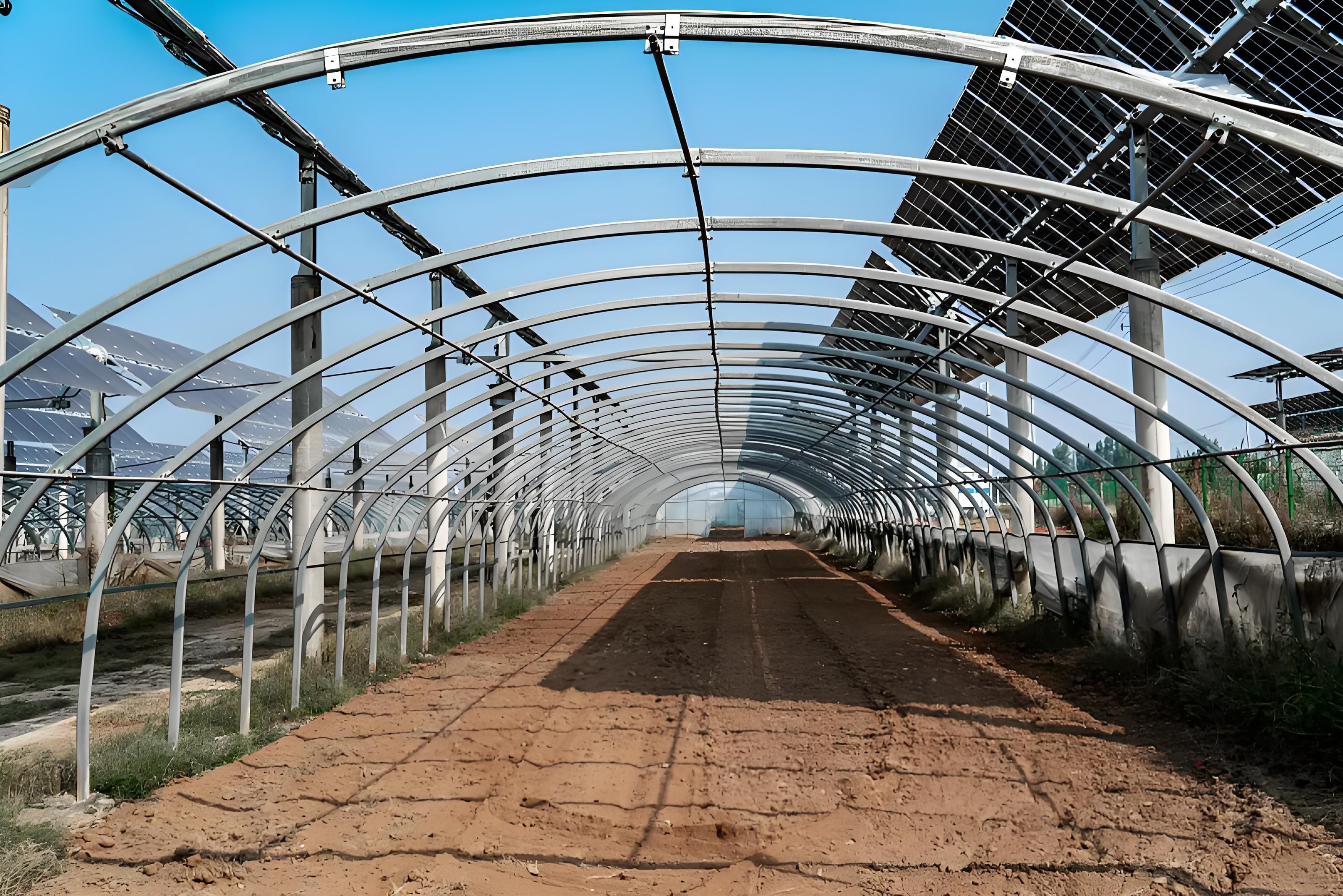
Expert Tips for PV Mounting System Installation
Installing a PV mounting system requires precision and expertise, especially when integrating with cables, cable trays, and photovoltaic brackets. As a leading integrated manufacturer in the industry, we provide expert tips to ensure seamless installation for technical evaluators, operators, and business decision-makers. Discover best practices for optimizing your solar infrastructure with durable components and efficient workflows.
1. Understanding the Core Components: Cables, Cable Trays, and Photovoltaic Brackets
When planning a PV mounting system installation, it's crucial to understand the role of each component. Cables serve as the lifeline of the system, transmitting generated electricity efficiently. High-quality cables with proper insulation and UV resistance are essential for long-term performance. Cable trays, often overlooked, provide structural support and organization for these cables, preventing tangling and damage. Photovoltaic brackets, the backbone of the system, must withstand environmental stresses while maintaining optimal panel orientation. As an integrated manufacturer, we emphasize the synergy between these elements – using incompatible components can lead to system failures or reduced efficiency. For instance, aluminum brackets may require specific cable tray materials to prevent galvanic corrosion. Technical evaluators should always verify material compatibility before installation begins.
2. Installation Best Practices for Different Roof Types
The installation approach varies significantly depending on roof type – a critical consideration for operators and installers. For flat roofs, ballasted systems using weighted brackets minimize penetration, but require careful load distribution calculations. Pitched roofs typically use rail-based mounting systems, where proper alignment of cable trays becomes paramount. In commercial installations with metal roofs, standing seam clamps offer excellent stability but demand specialized cable routing solutions. Our field-tested recommendation: always conduct a structural assessment before selecting brackets and cable management systems. For complex projects, consider modular cable trays that allow for future expansion. Remember that wind uplift forces can affect both brackets and cable trays, so follow IEC 61215 and UL 2703 standards for secure mounting.
3. Technical Comparison: Traditional vs. Innovative Mounting Solutions
This comparison highlights why many technical evaluators now prefer integrated solutions from manufacturers offering both brackets and cable management systems. The reduced installation time directly impacts project ROI, while unified designs minimize compatibility issues. For business evaluators, the total cost of ownership often favors innovative systems despite higher upfront costs.
4. Common Installation Mistakes and How to Avoid Them
Through our experience as a cable tray and photovoltaic bracket manufacturer, we've identified frequent installation errors. First, improper torque application on bracket fasteners – either too loose (causing movement) or too tight (damaging roof membranes). Second, inadequate cable bend radius in trays, which can degrade conductor performance over time. Third, mixing dissimilar metals between brackets and trays without proper isolation, accelerating corrosion. Operators should always use torque wrenches with preset values and follow NEC Article 690 for cable bending requirements. For coastal areas, specify 316-grade stainless steel hardware and marine-grade cable trays. Our technical team recommends creating an installation checklist specific to your component combinations before commencing work.
5. Future Trends in PV Mounting Systems
The industry is evolving toward smarter integration between structural and electrical components. We're seeing growing demand for 'plug-and-play' systems where cables pre-installed in trays connect seamlessly to brackets with integrated junction boxes. Another trend involves lightweight aluminum cable trays with built-in cable retention, reducing installation steps. For technical evaluators, the emergence of BIM models combining bracket and cable tray data allows for better clash detection during design. From a business perspective, standardized mounting kits for different roof types are gaining popularity, simplifying procurement and installation. As climate resilience becomes paramount, expect more manufacturers to offer wind tunnel-tested bracket-tray systems certified to withstand extreme weather events.
Why Choose Our Integrated Solutions?
As a manufacturer with expertise in both cables/cable trays and photovoltaic brackets, we offer unmatched system compatibility. Our products undergo rigorous testing as complete systems, not just individual components. For technical teams, we provide detailed installation manuals with torque specifications, cable fill ratios, and wind load calculations. Business evaluators appreciate our volume discounts on complete system packages and 10-year performance warranties. Contact our engineering team today for a customized system design that optimizes both structural integrity and electrical performance in your PV installation project.
Latest News
- How to Select the Appropriate Wire and Cable Model and Cross-Section
- What constitutes a box-type substation or a box-type transformer? What are box-type substations, and what are their applications?
- transformer
- Applications and Description of Perforated Cable Trays
- Common Types of PV Mounting Structures and an Introduction to Mounting Foundations
- What are some key facts about low-voltage cables?
Send Us A Message
Send Your Inquiry
We welcome your cooperation and we will develop with you.